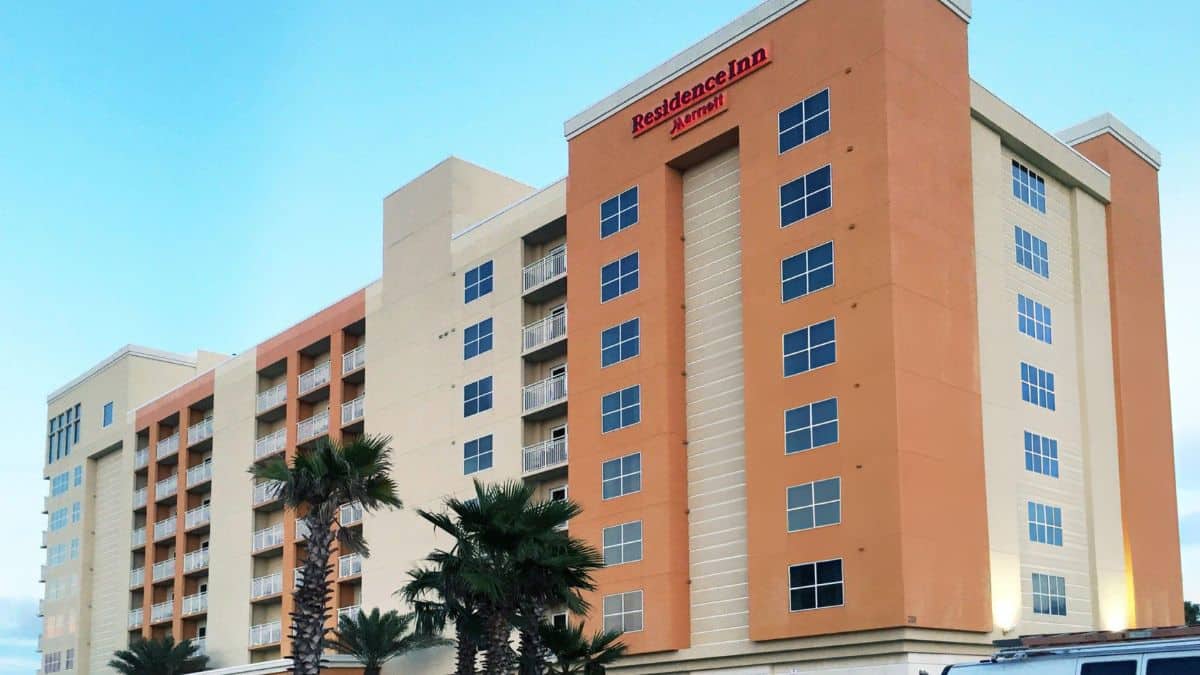
Old rooms lose guests. Fast. A tired lobby, worn carpet, or a noisy air conditioner sends travelers to the motel next door. Renovation costs keep rising, too. Brand-mandated Property Improvement Plans (PIPs) now often cost $35,000 to $40,000 per room at a midmarket property. That figure comes from Hunter Hotel Advisors, via Hospitality Net. Waiting rarely makes a renovation cheaper. It usually makes it cost more.
This guide covers real financing options for motel and budget hotel renovations. You will learn how lenders judge your deal. You will learn where to find capital that fits your property. No fluff. Just what you need to plan your next move.
Every week your rooms sit outdated, guests notice. Old carpet, dim lighting, and dated bathrooms push travelers toward newer competitors. Industry advisors also warn that renovation budgets often run over. A Hunter Hotel Advisors analysis published on Hospitality Net notes that PIP costs have climbed more than 30% since before the pandemic, and construction material and labor costs remain a moving target for most owners.
Risk You Are Taking
What It Means For Your Motel
Rising PIP and construction costs
Delayed projects tend to cost more than early ones
Underestimated budgets
Many owners set aside too little for surprises
Lost room revenue during work
Rooms taken offline cut income while you renovate
Slower guest ratings recovery
It takes time to rebuild reviews after a renovation
Franchise flag risk
Brands can pull your flag if a PIP is not completed
Your contingency reserve matters here. Plan for cost overruns, not just the base budget. A cushion of 15% to 20% above your contractor’s estimate is a common and prudent target used by experienced hospitality lenders.
Do Renovations Actually Pay Off?
Yes, and the research supports it. A well-known Harvard Business School study covered by Harvard Magazine found that a one-star increase in a business’s online rating led to a 5% to 9% revenue increase, with the strongest impact seen among independent, non-chain businesses. The same logic applies directly to hospitality: guests choose based on what they see online before they ever pull into your parking lot.
Hotel-specific research backs this up even further. A Cornell University Center for Hospitality Research study found that a one-point rise in a hotel’s 100-point online reputation score led to up to a 0.89% increase in Average Daily Rate (ADR) and up to a 1.42% increase in Revenue Per Available Room (RevPAR). Small reputation gains add up to real revenue over a full year of bookings. Fresh rooms and updated bathrooms are often the fastest way to move that reputation score.
Different lenders fund different types of projects. Here is a quick side-by-side view.
Loan Type
Typical Leverage
Rate Style
Typical Term
Best Use Case
SBA 504 Loan
Up to 85% to 90% LTC
Low fixed rate on the CDC portion
20 to 25 years
Major structural work, expansions
SBA 7(a) Loan
Up to 75% to 85% LTC
Variable, tied to Prime
10 to 25 years
Purchase plus light renovation
Commercial Bridge Loan
65% to 80% LTC
Floating, tied to SOFR
12 to 36 months, interest-only
Distressed motels, brand conversions
CMBS Conduit Loan
60% to 75% LTV
Fixed
5 to 10 years, 30-year amortization
Cash-out after stabilization
C-PACE Financing
20% to 35% of project cost
Fixed, via tax assessment
20 to 30 years
HVAC, roofing, windows, solar
FF&E Equipment Loan
Up to 100% of item cost
Fixed
3 to 10 years
Beds, TVs, furniture, fixtures
SBA 504 Loans: High Leverage, Low Fixed Rate
An SBA 504 loan splits your funding three ways. A private lender covers about 50% as a first mortgage. A Certified Development Company, or CDC, covers up to 40%. You put in the rest. Often that is just 10% to 15%.
The CDC portion has a fixed rate. It is locked for 20 to 25 years. That portion has no balloon payments. The max CDC loan is $5.5 million. Your total project can run higher once you add bank debt. This loan fits owners doing roof work, room expansions, or major structural repairs.
SBA 7(a) Loans: Fast and Flexible
An SBA 7(a) loan can fund a lot in one package. It can cover a purchase, light renovation, franchise fees, new furniture, and even opening marketing. The max loan is $5 million. Rates are usually variable, tied to the Prime rate. This loan works well when you need funds fast. It also fits well when your renovation is more cosmetic than structural.
Bridge Loans: For Distressed or Repositioning Motels
Traditional banks look at your last twelve months of income. If those numbers are weak, they often decline the loan. A bridge loan works differently. Bridge lenders focus on what your motel will be worth once renovations are complete, not just its recent performance.
Bridge loans typically run 12 to 36 months on an interest-only basis. Funds usually sit in an escrow account and are released as you finish batches of rooms and pass inspection. Rates are higher and floating, but the speed and flexibility often outweigh that cost for owners racing a brand deadline or turning around a struggling property.
FF&E and C-PACE: Financing Without Refinancing
You do not have to replace your existing mortgage to fund upgrades. Two tools let you add capital on top of what you already have.
FF&E (furniture, fixtures, and equipment) loans use the new furniture and equipment as collateral, not your real estate. This keeps your primary mortgage lender out of the picture and typically funds beds, TVs, vanities, and HVAC units over 3 to 10 years.
C-PACE financing pays for energy upgrades such as roofing, high-efficiency HVAC, windows, or solar. You repay it through a line item on your property tax bill over 20 to 30 years, and the obligation transfers to a new owner if you sell.
Motel Renovation Loan vs Construction Loan
These are not the same product, and mixing them up can cost you money. A ground-up construction loan funds an entirely new building. Since there is no income during construction, banks treat these as high risk, often capping leverage at 50% to 60% of cost and requiring full personal guarantees.
A motel renovation loan works on a building that already has utilities, permits, and guests. You can renovate in phases, closing 10 rooms while keeping the rest open and earning income. That ongoing cash flow covers your bills during the project, which is why lenders usually offer renovation loans higher leverage and faster approval than ground-up construction loans.
Financing a Flagged or Independent Motel
If you operate under a brand like Choice, Wyndham, or IHG, your franchisor issues a PIP at renewal or ownership change. Miss the deadline, and the brand can pull your flag and cut off access to your reservation system. We cover the details of staying compliant in our guide to hotel PIP financing options and our breakdown of franchise hotel renovation loans.
Independent motels face a different underwriting conversation. Without a national brand driving bookings, lenders want to see strong local demand, a solid direct-booking strategy, and your track record as an operator. Extended-stay motels tend to have an easier path, since lower housekeeping costs and longer guest stays make profit margins easier to prove once you add kitchenettes, keyless locks, and reliable Wi-Fi.
What a Motel Renovation Loan Timeline Looks Like
Owners often underestimate how long the process takes. Here is a realistic window from application to first draw.
Weeks 1 to 2: Submit your loan package, budget, and franchise or property documents.
Weeks 2 to 4: The lender orders an appraisal, environmental report, and property condition report.
Weeks 4 to 6: Underwriting reviews your DSCR, debt yield, and LTC, then issues a term sheet.
Weeks 6 to 8: You sign the loan proposal and put down a good-faith deposit.
Weeks 8 to 10: Closing occurs, and your renovation escrow account opens.
Ongoing: You draw funds in stages as your contractor completes and passes inspection on each batch of rooms.
SBA loans tend to sit at the longer end of this range, often 45 to 90 days. Bridge loans can close faster, sometimes within three to four weeks, since underwriting focuses more on the property’s future value than years of tax returns.
Lending committees run your numbers through three core formulas before they approve anything.
Debt Service Coverage Ratio (DSCR) divides your Net Operating Income by your annual loan payments. The Corporate Finance Institute calls it one of the most widely used metrics in commercial lending. Traditional banks want 1.30x to 1.50x. Bridge lenders and SBA programs may accept 1.15x to 1.25x, based on projected post-renovation income.
Debt Yield divides your annual Net Operating Income by the total loan amount. Hospitality lenders generally want to see 10% to 13%. This shows a lender they could recover their capital if they ever had to step in and run the property.
Loan-to-Cost (LTC) divides your requested loan amount by your total project basis, meaning the purchase price plus your renovation budget. SBA 504 loans allow up to 85% to 90% LTC. Bridge lenders usually cap around 70% to 80% LTC, while traditional banks stay closer to 55% to 65% LTC.
Documents to Gather Before You Apply
Two to three years of business tax returns
Current profit and loss statements and 12 months of daily revenue reports
A signed, line-item renovation budget from your general contractor
Signed contractor agreements, architectural plans, and building permits
An appraisal showing both as-is and as-completed value, plus an environmental report
Your brand’s PIP inspection letter and franchise agreement, if flagged
12 to 36 months of STR market share reports
Buying and Renovating a Motel in One Loan
If you are purchasing a motel that needs work, a combined acquisition and renovation loan avoids the hassle of stacking two separate deals. The lender funds your purchase at closing, then holds your renovation budget in escrow. As your contractor finishes each phase, you submit invoices and lien waivers, an inspector verifies the work, and funds are released.
Ask your lender about an interest reserve. This sets aside part of your loan to cover mortgage payments while rooms are offline for construction, protecting your cash flow and giving your team time to rebuild occupancy after reopening.
Exiting Bridge Debt With a Permanent Loan
Once your renovation wraps up and you have 12 months of stable, post-renovation income, it is time to move off short-term, floating-rate debt. A CMBS conduit loan or another permanent commercial mortgage offers 5- to 10-year terms with 30-year amortization, often structured as non-recourse debt. This step lets you lock in a long-term rate and pull equity out for your next acquisition.
Finding the Best Lenders For Motel Renovation Loan Without Wasting Months
A retail bank branch is rarely equipped to underwrite a hospitality deal. Hotel and motel cash flow, seasonal swings, and franchise brand rules require specialized knowledge most local banks don’t have on staff.
At Hotel Loans, we work only in hospitality real estate financing. We are not a bank, but we act as a correspondent lender and broker with access to more than 75 loan programs, including SBA 504 and 7(a) loans, bridge and hard money loans, CMBS conduit loans, USDA B&I loans, and construction financing. Whether your motel is flagged, independent, or extended-stay, we match your project with lenders who understand hospitality underwriting.
If you also want to understand how refinancing fits into your broader strategy, our guide on how to refinance maturing hotel debt walks through your options once your current loan approaches maturity, and our post on how to fund hotel property improvement covers additional funding paths for smaller-scale upgrades.
Ready to move forward? Contact our team or learn more about our approach to hospitality lending. We will help you match your motel with the right financing, structure your draws, and keep your renovation on schedule.
FAQs
Can I finance a renovation with credit cards?
It is possible, but the high interest rates usually hurt your cash flow fast. Dedicated equipment loans and private lending options typically cost far less over time.
Can foreign investors get motel financing?
Yes. U.S. citizenship is not required. Private bridge lenders and specialty investor programs regularly fund foreign buyers, though documentation requirements can be more detailed.
Can I qualify with bad credit?
Often, yes. Hard money and private debt lenders tend to focus more on the property’s value and projected income than on your personal credit score, though rates will typically run higher.
Will lenders fund unpermitted work?
No. Reputable lenders require approved city permits before releasing construction draws. Unpermitted work risks a shutdown and can put your loan in default.
Are there government grants for motel renovations?
Direct grant funding for private motel remodeling is rare. USDA B&I loans and SBA-backed programs are typically the closest alternative, offering government-backed guarantees rather than free grant money.
Facebook Twitter Pinterest LinkedIn Commercial real estate is heading into a heavy refinancing stretch. The Mortgage Bankers Association reports that roughly $875 billion in commercial
Facebook Twitter Pinterest LinkedIn Right now, unrenovated hotels are losing up to 39% of their potential income while new construction costs surge past $742,000 per
Facebook Twitter Pinterest LinkedIn Over 1,912 hotel renovation projects are underway right now across the United States. Right now, smart hotel owners are upgrading rooms,
Facebook Twitter Pinterest LinkedIn Right now, a massive 48 billion dollar wall of maturing hotel debt is crashing down on the hospitality industry. Think about
Ready to Discuss Your Hotel's Financial Strategy? Need a Commercial Loan?
Contact us today at Hotel Loans to initiate a conversation about how our financial expertise can contribute to the success of your hotel business. Our experienced team will be happy to help you.

 Google AI
 ChatGPT
 Perplexity